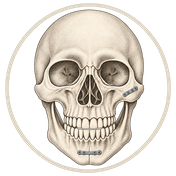
Patient guide

How surgeons fix bone

Most facial breaks are fixed with small titanium plates and screws. This page shows what that means, and what the metal looks like.

The repair, before and after

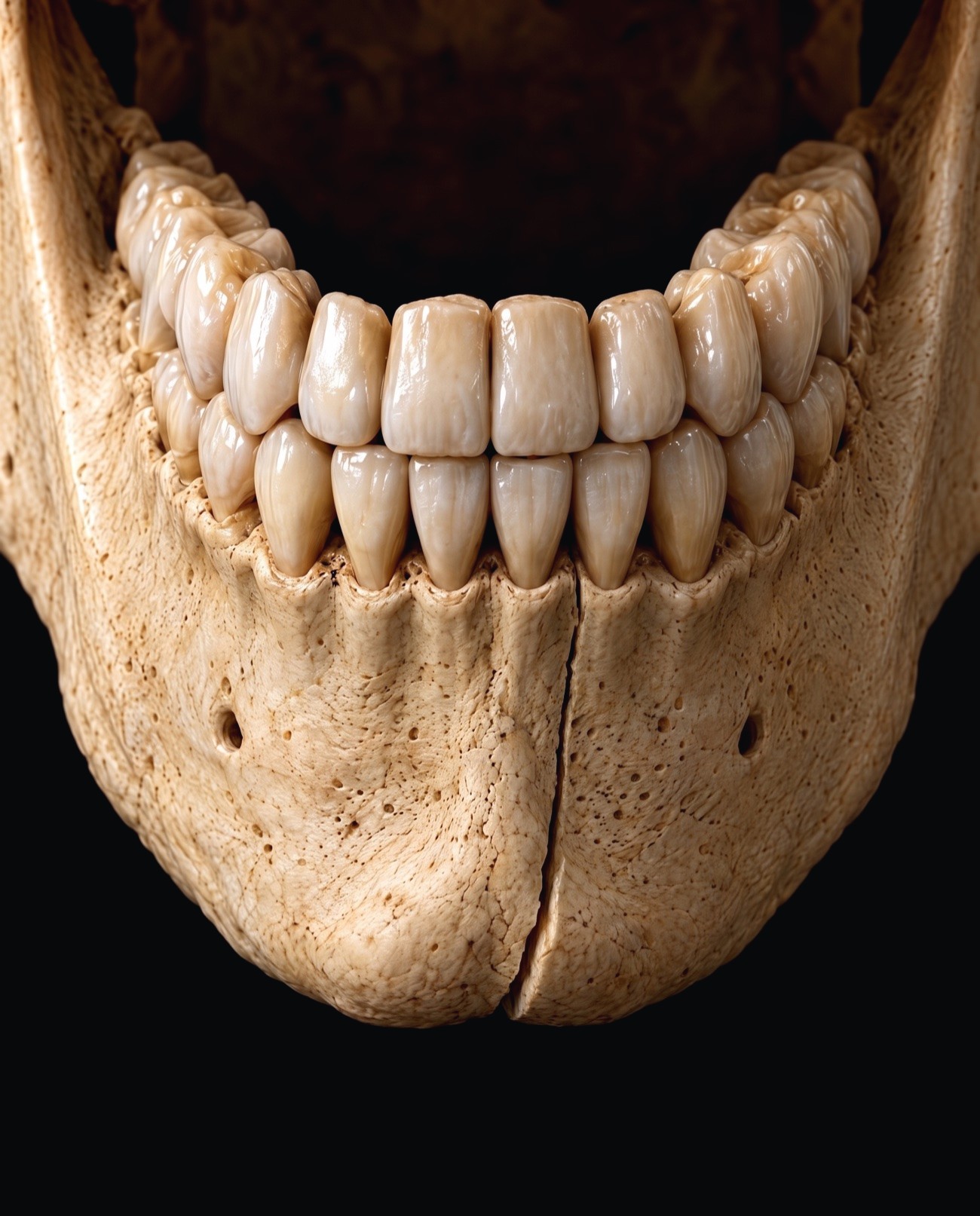
Drag the slider. It shows a broken lower jaw, then the same jaw held by a titanium plate.
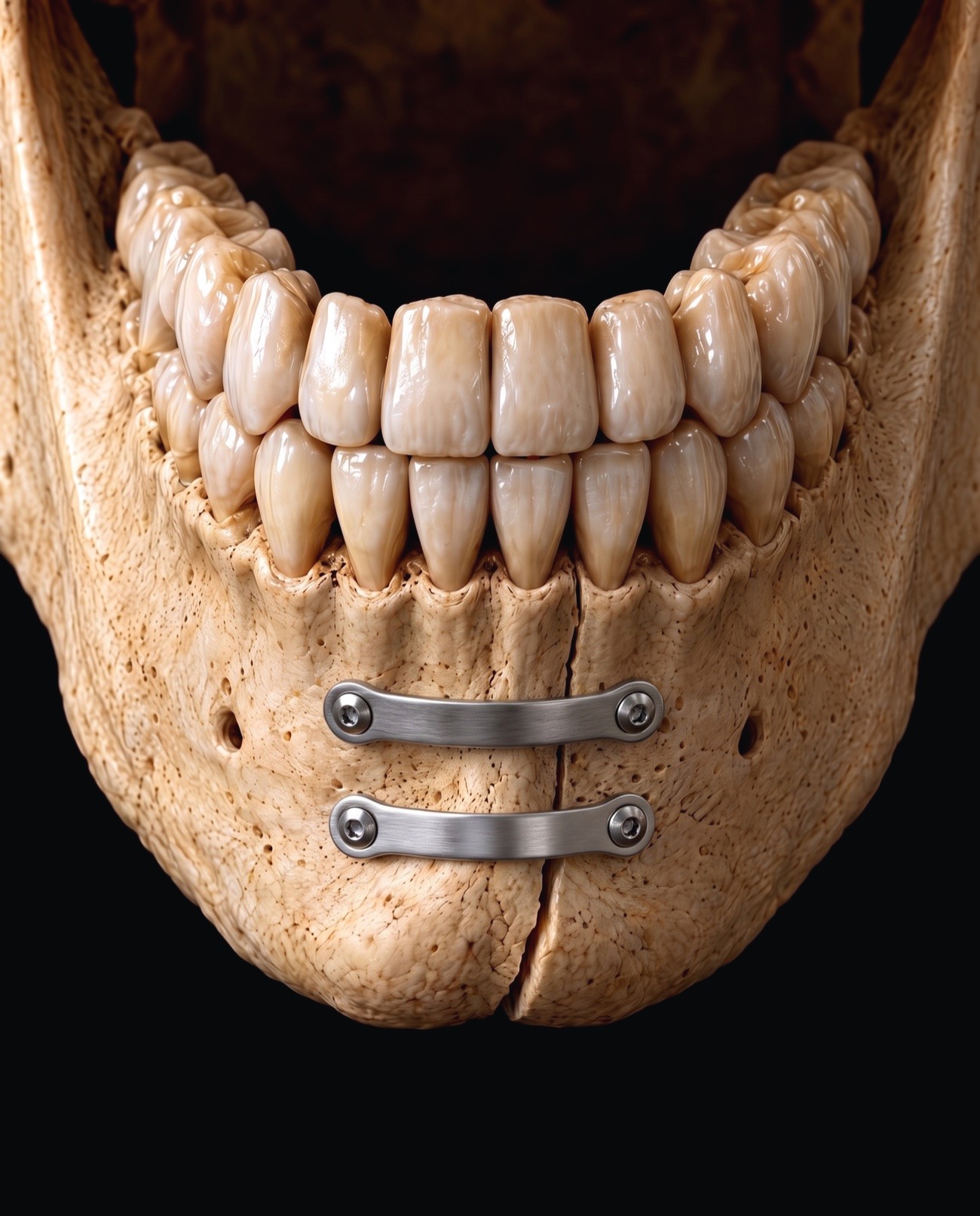
The same lower jaw, now held together by a titanium plate and screws across the break.Close-up of a lower jaw bone with a break through it.FracturedRepaired with plate
Illustration only, pending clinical review.

What the plates and screws are

  • Titanium is a strong, light metal. The body accepts it well, and it does not rust.
  • The plates are small. Most are only a few centimetres long.
  • They usually stay in for life. Most people never feel them.

How they hold the bone

First, the surgeon moves the broken pieces back into the correct position. Then the surgeon fixes a plate across the break with tiny screws. The plate holds the pieces still while the bone heals. This works like the repair of a broken arm, but the plate stays inside. New bone grows across the break and makes the join solid again.

Types of plates and screws

Surgeons pick the plate that fits the break. Here are the common kinds.
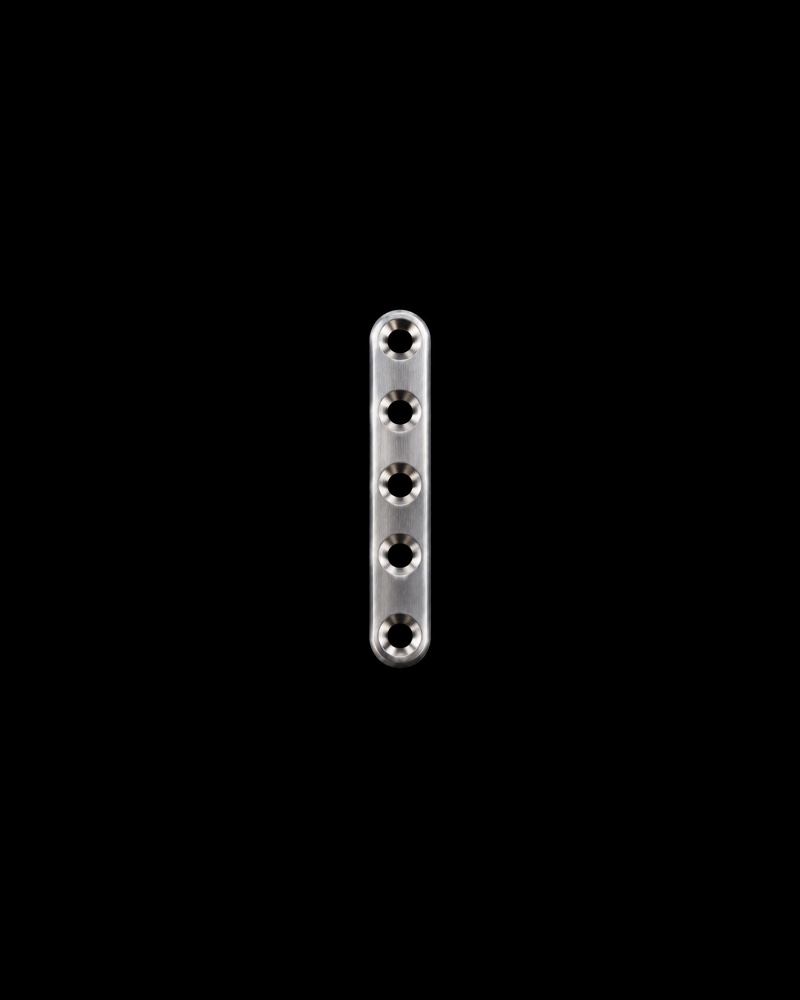
Small straight plate. The everyday plate. It bridges a clean break in the bone.
Small straight plateThe everyday plate. It bridges a clean break in the bone.
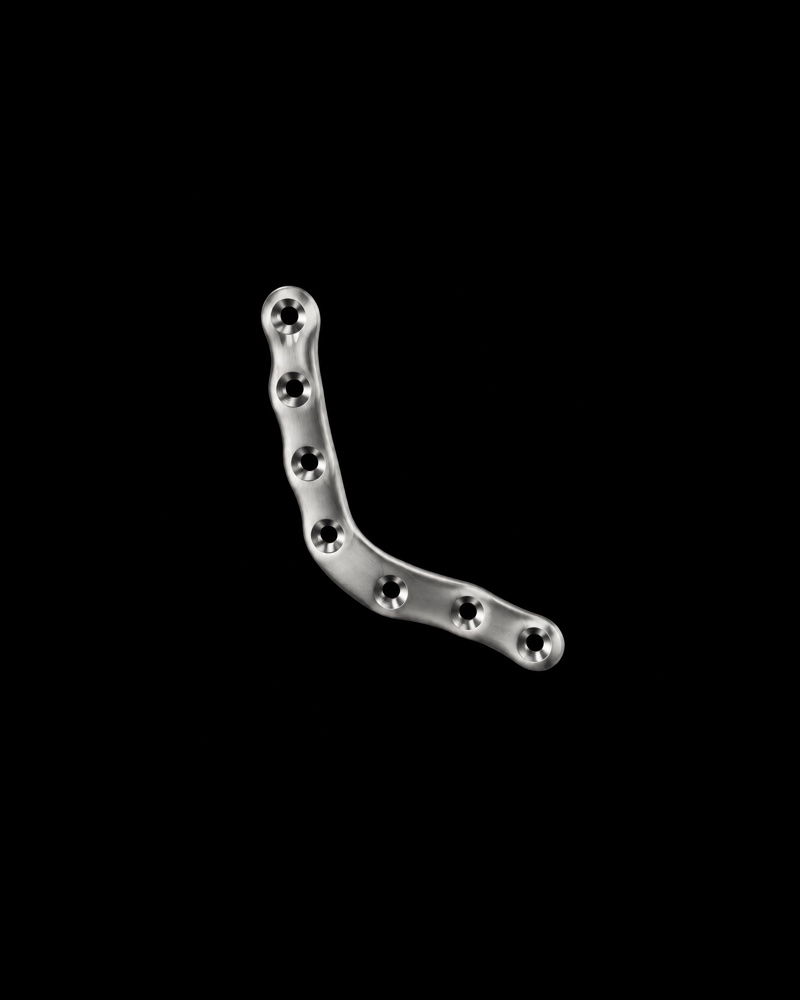
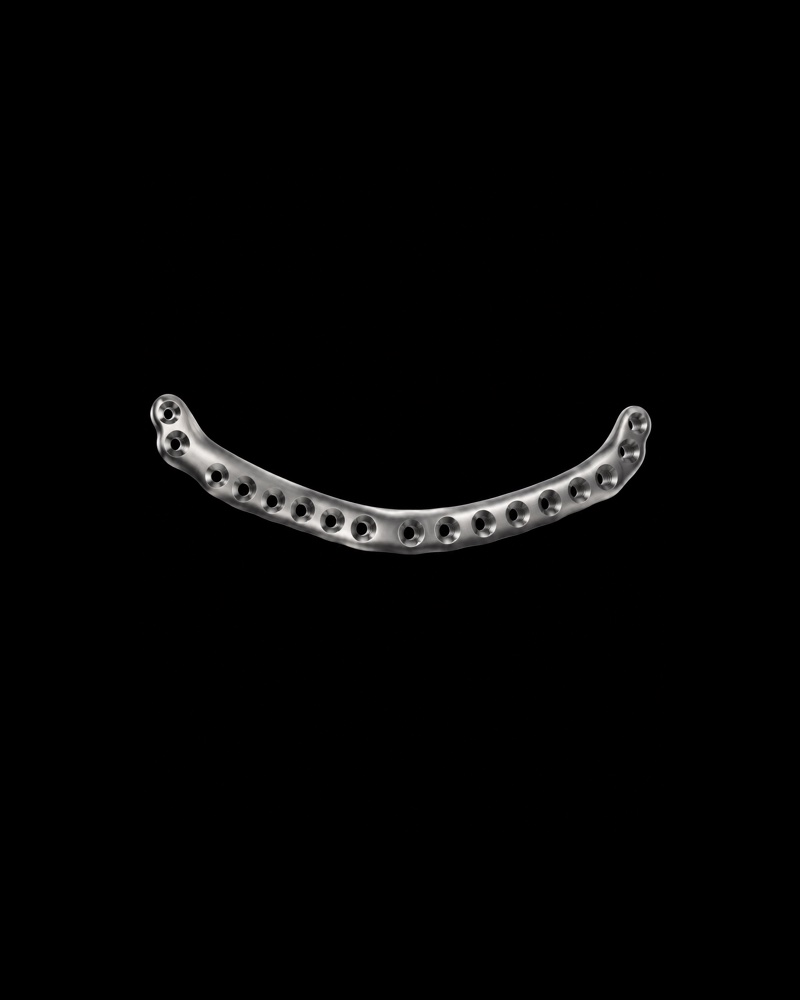
Shaped plate. A plate bent to follow the bone, such as around the cheek or the eye.
Shaped plateA plate bent to follow the bone, such as around the cheek or the eye.
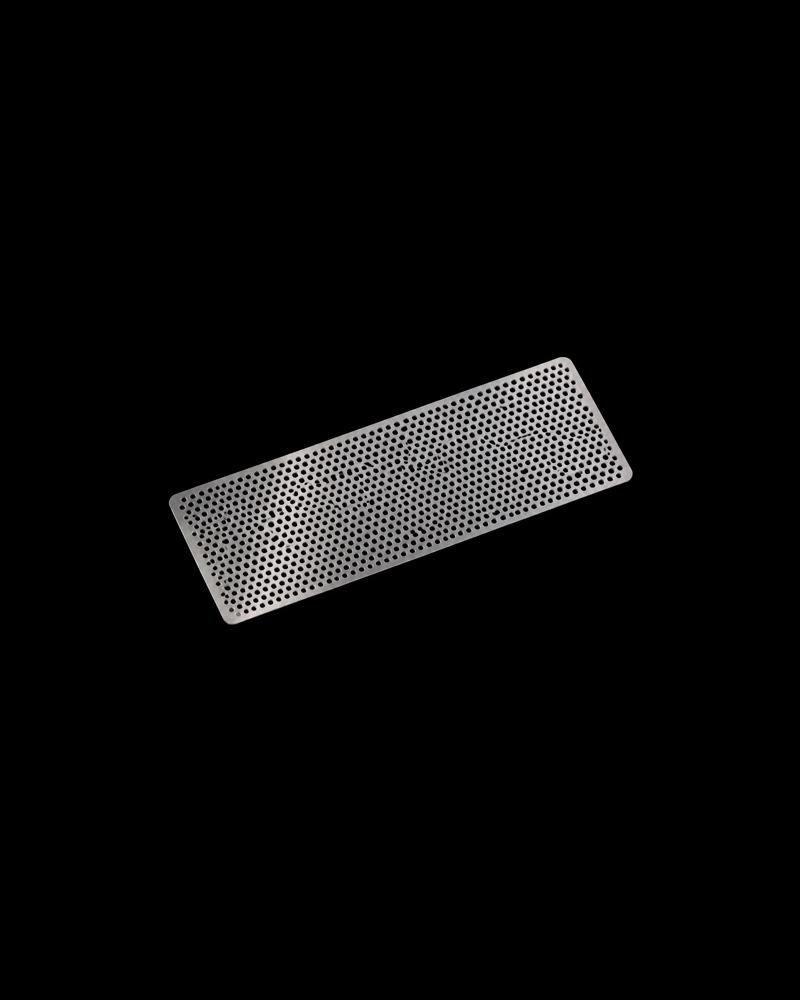
Titanium mesh. A thin sheet. It rebuilds a thin wall, like the floor of the eye socket.
Titanium meshA thin sheet. It rebuilds a thin wall, like the floor of the eye socket.
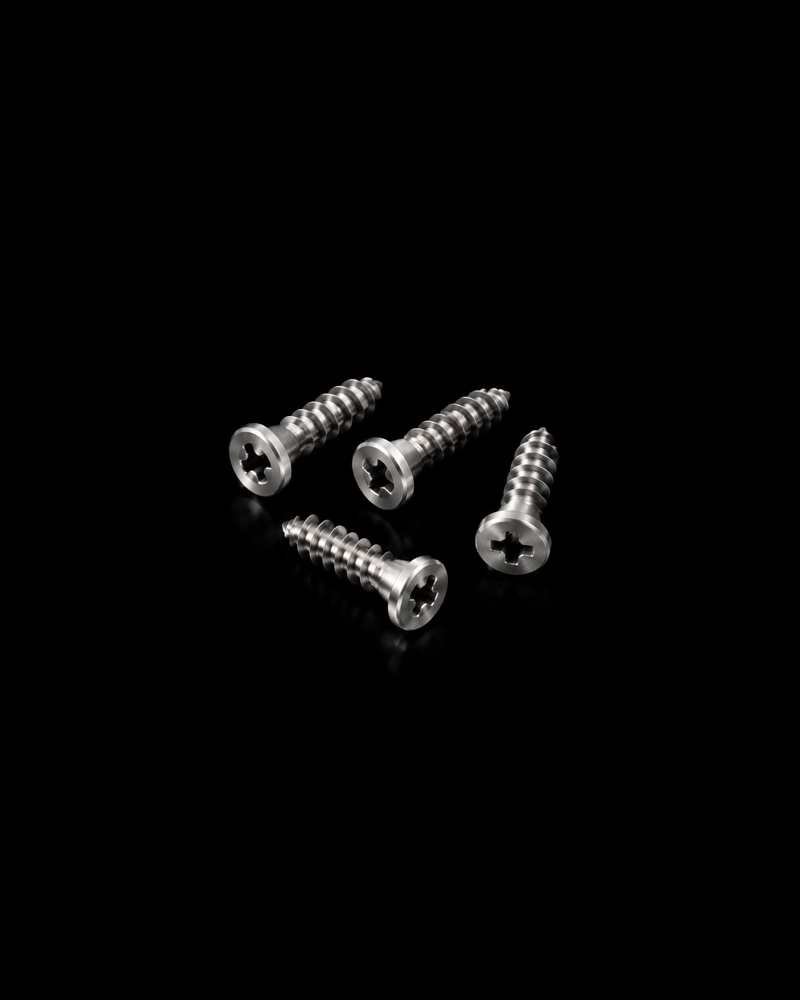
Screws. Tiny screws hold each plate to the bone.
ScrewsTiny screws hold each plate to the bone.
Reconstruction plate. A stronger plate for a badly broken jaw.
Reconstruction plateA stronger plate for a badly broken jaw.

Where the cuts go

Surgeons make the cuts inside the mouth where they can. On the face, they follow natural skin lines. This keeps the scars hidden.

Not every break needs a plate

Some small, stable breaks heal on their own. They need rest, a soft diet, and checks. The surgeon chooses the simplest repair that works.

This is general information. It is not medical advice. Always follow the instructions from your own surgeon first.