
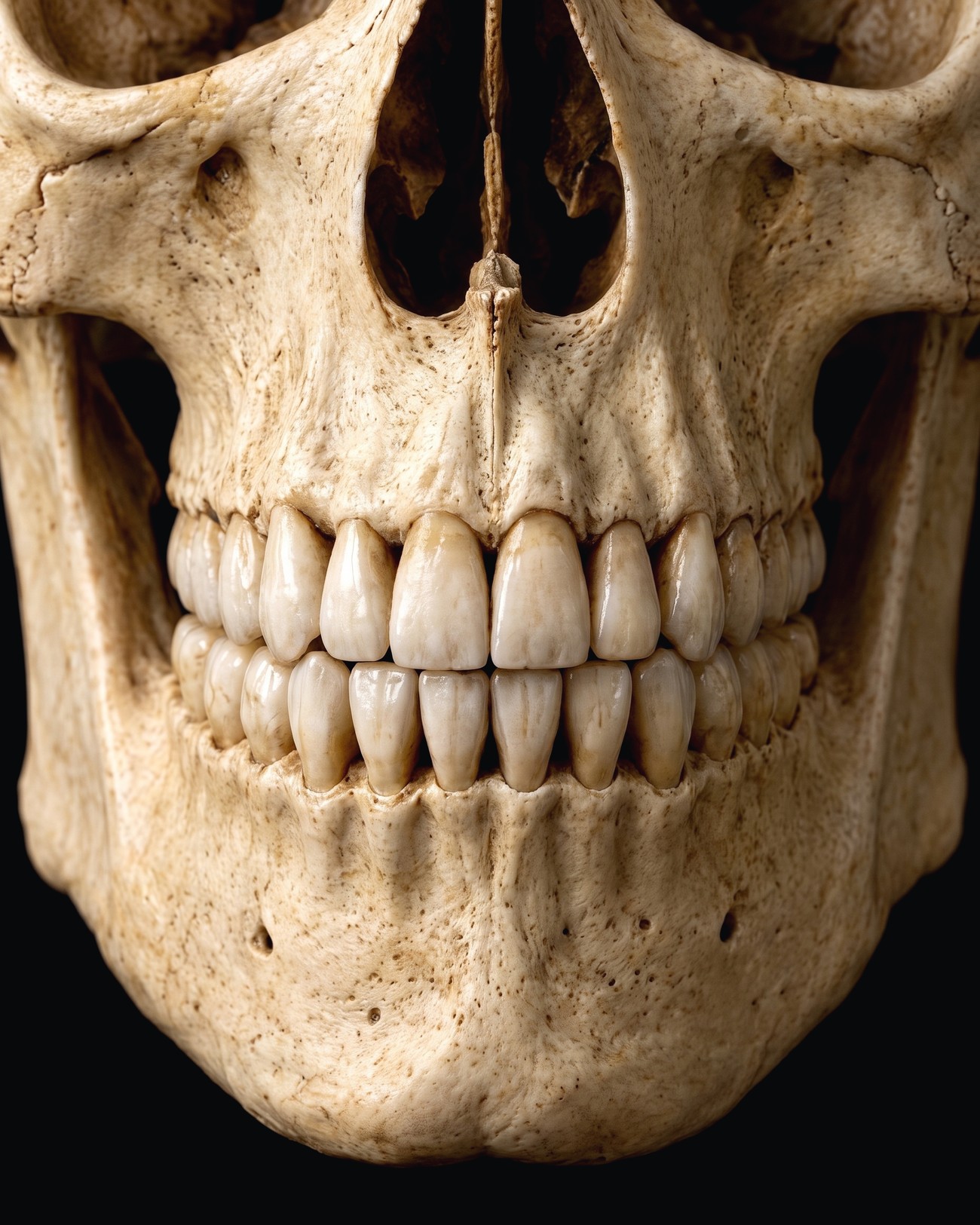
Orthognathic surgery means surgery for straight jaws. Surgeons plan it to move the jaws into a better position. They use it when the upper and lower jaws do not line up well. Poor jaw position can affect your bite, your chewing, your speech, your breathing, and the look of your face.
This surgery is not an emergency. The team plans it over many months. An orthodontistA dentist who straightens teeth, often with braces. usually helps with the plan.
Who it is for
People think about jaw surgery for these reasons:
- The teeth do not meet well, even after braces. This can be an underbite, an overbite, or an open bite.
- The jaw sits too far back or too far forward.
- It is hard to bite, chew, or close the lips.
- A breathing problem, such as sleep apnoeaA condition where breathing stops and starts during sleep., is linked to the jaw position.
The steps
- Braces first. Most people wear braces for a time before surgery. The braces get the teeth ready for their new position.
- Planning. The team uses scans, photos, and 3D models. They plan the exact moves before the surgery.
- Surgery. The surgeon separates the jaw bones and moves them. Small titaniumA strong, light metal. Surgeons use it for the plates and screws that hold bone. plates and screws hold the bones in the new position. The surgeon works from inside the mouth, so there are usually no scars on the face.
- Healing. The bone heals over several weeks. The orthodontist then makes small changes to finish the bite.
What to expect after surgery
You can expect some swelling. It is worst in the first days and gets better over several weeks. You eat soft food or liquids for a time. Your lips and chin can feel numb. This numb feeling usually gets better with time. Most people return to normal activities in a few weeks. The final result settles over several months.